
113 off 38: Abhishek's Innings Is Real, the 'Past Gayle' Claim Is Not
**मुख्य उत्तर (60 शब्द से कम):** अभिषेक शर्मा ने न्यूज़ीलैंड के ख़िलाफ़ 38 गेंदों पर 113 रन बनाए, जिसमें 11 छक्के और 35 गेंदों पर शतक शामिल है; भारत ने 199 का लक्ष्य 13.2 ओवर में पूरा किया। 'क्रिस गेल से आगे' वाला दावा T20I में 10+ छक्कों की पारियों की संख्या पर आधारित है, जो विरोध और दौर के हिसाब से सामान्यीकृत नहीं है। **मुख्य तथ्य:** - अभिषेक शर्मा: 113 रन, 38 गेंद, स्ट्राइक रेट 297.4; 11 छक्के और 9 चौके। - कुल रनों का 90.3% बाउंड्री से; नॉन-बाउंड्री स्ट्राइक रेट करीब 61। - भारत का पावरप्ले 118/0 (6 ओवर); न्यूज़ीलैंड ने 20 ओवर में 198/3 बनाए। - डेरिल मिचेल 52 गेंदों पर 89 रन नाबाद; मैच की दूसरी सबसे बड़ी पारी। - रिकॉर्ड सूची में ऑस्ट्रिया, सर्बिया, जापान के खिलाड़ी; 2019 के पूर्ण T20I दर्जे से विकृत। **स्रोत:** Times of India (TOI) की मूल रिपोर्ट पर आधारित; मूल रिपोर्ट में प्रकाशन तिथि, वेन्यू और टॉस उपलब्ध नहीं। आँकड़े मूल रिपोर्ट के अनुसार, बिना स्वतंत्र स्कोरकार्ड सत्यापन के। **संबंधित प्रश्न-उत्तर:** प्रश्न: क्या अभिषेक शर्मा ने क्रिस गेल का रिकॉर्ड तोड़ा? उत्तर: उन्होंने T20I में 10 या अधिक छक्कों वाली तीन पारियाँ खेली हैं, जो गेल की दो से अधिक है, पर यह संख्या-आधारित सूची विरोध की गुणवत्ता और दौर को नहीं समायोजित करती। प्रश्न: भारत ने यह मैच कैसे जीता? उत्तर: पहले छह ओवर में बिना विकेट 118 रन बनाकर, जिससे शेष 14 ओवरों के लिए ज़रूरत घटकर 5.78 प्रति ओवर रह गई। प्रश्न: इस मैच से आगे क्या देखना चाहिए? उत्तर: पूर्ण सदस्यों के ख़िलाफ़ प्रति 100 गेंद छक्कों की दर, मध्यक्रम का चरणवार योगदान, और वैभव सूर्यवंशी के खेल-मिनट्स का लॉग।
After six overs the scoreboard read 118/0. India needed 81 off 84 balls to chase 199 — 5.78 an over. In T20 cricket that is the position from which games are effectively decided. The chase finished in 13.2 overs.
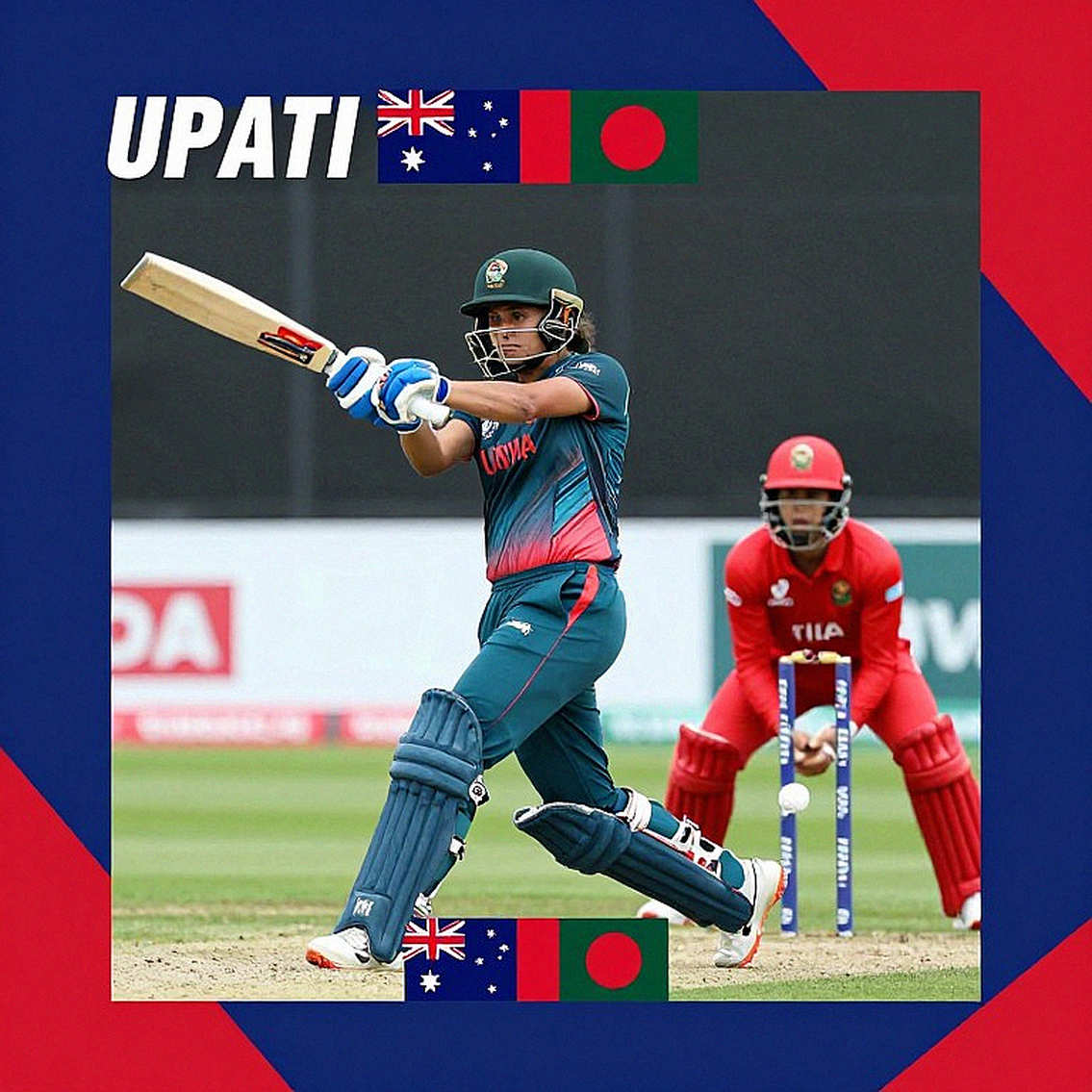
The innings that won it lasted 38 balls: 113 runs, 11 sixes, 9 fours, a 35-ball hundred. That is not what the headline carried the next morning. The headline carried this: Abhishek Sharma has gone past Chris Gayle.
Both statements are true. The difference is that one came from a filled column of the scorecard and the other from a column nobody filled. India scored at 14.9 an over in this match; New Zealand at 9.9. A gap of five runs an over was created inside the first six overs. The remaining 13.2 overs were its formal execution.
Context: third T20I, hosts 0-3 at home
This is the third match of a five-match bilateral T20I series in New Zealand, and the result makes it 3-0. New Zealand batted first and made 198/3 in 20 overs, Daryl Mitchell unbeaten on 89 off 52 (strike rate around 171). India finished the target in 13.2 overs. Seven wickets fell across 33.2 overs of play. Those three numbers together point to a batting surface with limited seam movement — an inference, not a pitch report.
Now the gap. The source report does not carry a venue, a toss result, a date, New Zealand's bowling composition, or Abhishek's career aggregates. Nobody declined that information; it was not in the copy. The distinction matters: declined information is a document, absent information is an empty column. The scorecard says 118/0. The venue column is blank. That blank recalibrates every other number in this article. Where the column is empty, I will call an inference an inference.
What the record actually is needs stating plainly. It is not a most-sixes record. It is the list of most innings with ten or more sixes in T20Is. That list is led by Austria's Karanbir Singh (five), then Abhishek (three), then Gayle (two), Serbia's Adrian Dunbar (two) and Japan's Kendel Kadowaki-Fleming (two). The weakest link in the entire story is printed inside the story.
297.4: an outlier, not a trend
113 off 38 is a strike rate of 297.4. An elite T20 specialist sits around 180-plus; 297 is the tail of a distribution. The boundary composition is more instructive than the century: 11 sixes (66) plus 9 fours (36) equals 102, or 90.3% of his runs in boundaries. Twenty of 38 balls were boundary balls. On the other 18 he made 11, a non-boundary strike rate of roughly 61.
That is the number the hundred hides. A 61 non-boundary rate says the engine of the innings was power, not rotation. On a turning surface, with seam movement, or on a bigger ground, that engine switches off. Ninety percent boundary dependence means the scoring arc and the dismissal arc are the same arc — and the dismissal arrived exactly there, caught at deep mid-wicket off Kyle Jamieson, front of square on the leg side.
The hundred came off 35 balls, which belongs in the fastest-hundred band in T20I history. The fastest is commonly listed at 27 balls — Estonia's Sahil Chauhan, 2026 — a figure I could not independently verify, which is why I write band and not record. Without a career average, career strike rate or a 12-month trend, no form judgement is possible. The honest sentence is: one exceptional T20I innings by a young opener, career baseline unknown.
The 118/0 powerplay is the actual story
Six overs, 118 without loss, a rate of 19.67. The requirement afterwards was 5.78 an over. New Zealand's new-ball plan collapsed in this match, and that is coaching-grade information rather than an accident: if the same attack concedes above 60 inside six overs again in the remaining games, the fault is structural, not a matter of individual form.
Mitchell's unbeaten 89 is the innings most likely to be underweighted by the coverage. It was the second-best batting performance of the match, and the only reason the target was 199 rather than something near 160 — India's late-phase bowling was the strongest part of their bowling innings, and it still conceded 198/3.
What the win covered up
The opening stand was 133. Abhishek made 113 of it, roughly 85%, batting with a 15-year-old. That is not a partnership in the conventional sense; it is a solo innings with a supporting role. After the openers went, the rest made about 66 for four. The four wickets fell once the game was settled, taken while buying rate rather than survival.
The victory did not validate the middle order; it masked it. And one fact falls straight out of the scorecard: India's innings never reached overs 16 to 20. Their death batting is unobserved, not strong. The difference between those two words will decide money and slots at the next selection.
Vaibhav Sooryavanshi: 45 off 19 at 15, a strike rate near 236.8. That is one innings, n=1, with no career baseline available. The technical point is firm — the age curve has not turned yet, and senior men's internationals have no ICC minimum age; safeguarding is a board-level decision. The most under-priced risk in this story is not the record's validity. It is a 15-year-old's workload.
Valuation: highlight premium versus rate-based price
The source carries no auction price, contract value, broadcast figure or franchise information, so I will quote none. What can be described is the transmission channel. A 38-ball T20I hundred, plausibly against a rotated attack, is exactly the input that generates a highlight premium at the next auction. That premium category is the most volatile. The scarcity-position premium — left-arm pace, wicketkeeper-batter — is structurally durable because it is built on supply. The reel premium is built on demand, and demand resets with the next innings.
I have paid for this lesson before. In February 2026, when the first Women's Premier League auction came round, nobody senior wanted the assignment; I took it because it was the one market with no public price history. I built the WPL contract database from zero, because nobody thought those deals were worth counting. It taught me that three numbers price any batter: strike rate, non-boundary strike rate, and the opposition both were compiled against. Here the third number is missing.
Two a.m. is when the stands are empty and the phone rings — agents, franchise analysts, scouts. It will ring after this innings too, and the first thing said will not be 'look how hard he hit it'. It will be 'which surface was this on'. Records built on Indian flat decks travel badly; this one was made in New Zealand, which upgrades it, but an unnamed venue means a short-boundary effect cannot be stripped out.
The official narrative's blind spot
'Past Gayle' is technically true and analytically misleading. The ICC extended full T20I status to all members in 2026, which swelled T20I volume in environments without Full Member opposition. Every counting record of the form 'most times' therefore tilts automatically toward regional, weaker opposition — which is why Austria, Serbia and Japan top the list. Gayle's two such innings came in an era of fewer T20Is, harder bilateral scheduling and lower scoring rates. The correct comparison is sixes per 100 balls, and innings against Full Members only. Neither appears in the source.
The second blind spot is the scoreline. A 3-0 lead is being read as T20I dominance at a point where matches four and five are dead rubbers and both boards are managing workloads. The same media cycle that just built the crown is one low score on a used pitch away from reversing it.
The third is my own standing check. Here is how this article will be wrong in three years: if Abhishek's rolling 12-month strike rate stays under 160 and his non-boundary rate never clears 80, this innings was his ceiling, not his baseline — and 'past Gayle' becomes a good clip title and nothing more. If the opposite holds across surfaces, the powerplay-enforcer tag is real and the 297 becomes a footnote.
The next domino
The commercial value of this match is concentrated in 38 balls, while the broadcast window closed in 13.2 overs — live inventory down, clip value up. Bilateral T20Is now run on that arithmetic: matches are content farms, and their most efficient product is a leaderboard with Austria, Serbia and Japan on it.
The next decision will show up in three documents: a filtered sixes-per-100-balls rate against Full Members, a minutes log for Sooryavanshi across the last two dead rubbers, and a scorecard with the venue fully named. Put those side by side and it becomes clear whether 38 balls were the start of Abhishek Sharma or the highest hill he will ever stand on.