
Vaibhav Sooryavanshi: Captain at 15, but the Evidence Is 19 Balls Long
**मुख्य उत्तर** 6 नवंबर को बिहार क्रिकेट एसोसिएशन ने वैभव सूर्यवंशी को 15 वर्ष की उम्र में सैयद मुश्ताक अली ट्रॉफी के लिए कप्तान बनाया। यह घरेलू T20 असाइनमेंट है; रिपोर्ट में दिया गया 118/0 पॉवरप्ले रिकॉर्ड पुरुष T20I का है और उसका आँकड़ा भीतर से असंगत है। **मुख्य तथ्य** - बिहार की 17 सदस्यीय सूची में 16 स्टैंडबाय; सूरज कश्यप उप-कप्तान नियुक्त। - बिहार के SMAT मुकाबले इंदौर में; तटस्थ मैदान, घरेलू परिस्थिति का लाभ शून्य। - रिपोर्ट के अनुसार सूर्यवंशी 45 (19) और अभीषेक शर्मा 113 (38); 133/43 की साझेदारी से गणित नहीं मिलता। - उपलब्ध प्रदर्शन-सबूत केवल 19 गेंदें; कोई प्रवृत्ति निकालने के लिए अपर्याप्त नमूना। - चयन तीन दिन की ट्रायल और एक चयन बैठक से; चयनकर्ता हरविंदर सिंह, अमिताभ विजयवर्गीय, एस. शरत। **स्रोत** मूल स्रोत: Times of India रिपोर्ट, 6 नवंबर (BCA की आधिकारिक घोषणा और एक आधिकारिक उद्धरण पर आधारित)। उल्लिखित मैच-आँकड़ों का स्वतंत्र सत्यापन लंबित है। **संबंधित प्रश्न-उत्तर** प्रश्न: सूर्यवंशी को किस टूर्नामेंट के लिए कप्तान बनाया गया? उत्तर: सैयद मुश्ताक अली ट्रॉफी (घरेलू T20) के लिए, जहाँ बिहार का पहला असाइनमेंट इंदौर में है। प्रश्न: 118/0 का पॉवरप्ले रिकॉर्ड किस स्तर का है? उत्तर: वह पुरुष T20I (भारत बनाम न्यूजीलैंड तीसरा T20I) का आँकड़ा है, घरेलू SMAT का नहीं; दोनों स्तरों की गेंदबाज़ी गुणवत्ता अलग है। प्रश्न: उप-कप्तान कौन है और उसकी भूमिका क्यों अहम है? उत्तर: सूरज कश्यप उप-कप्तान हैं; 15 वर्षीय कप्तान के साथ मैदानी फील्ड सेटिंग और गेंदबाज़ी रोटेशन का भार इन्हीं पर आ सकता है।
On 6 November, the Bihar Cricket Association released a 17-man squad for the Syed Mushtaq Ali Trophy. At the top of the list sat Vaibhav Sooryavanshi — age 15, designation captain. Suraj Kashyap was named vice-captain. Alongside them, 16 standbys, plus Mangal Mahour and Shakib Hussain held over pending fitness.
The same report carried three numbers. Sooryavanshi 45 off 19 balls. Abhishek Sharma 113 off 38. The opening partnership, 133 off 43. I added them up. 45 and 113 make 158 runs from 57 balls. 158 runs cannot fit inside a 133-run stand built in 43 balls. At least one of the three figures belongs to a different innings, or the partnership aggregate has been mis-transcribed. That is an arithmetic contradiction, not speculation.
I went looking for the scorecard and found a boy — except this time the scorecard itself was broken.
Bihar has never belonged to the big powers of Indian domestic cricket. Mumbai, Karnataka, Tamil Nadu, Delhi, Saurashtra occupy that shelf; Bihar does not. Affiliation disputes and administrative interruptions have left its domestic record patchy, and it has generally competed in the lower groups of BCCI tournaments. That comes from outside the original report, so I hold it as verifiable context rather than established fact.
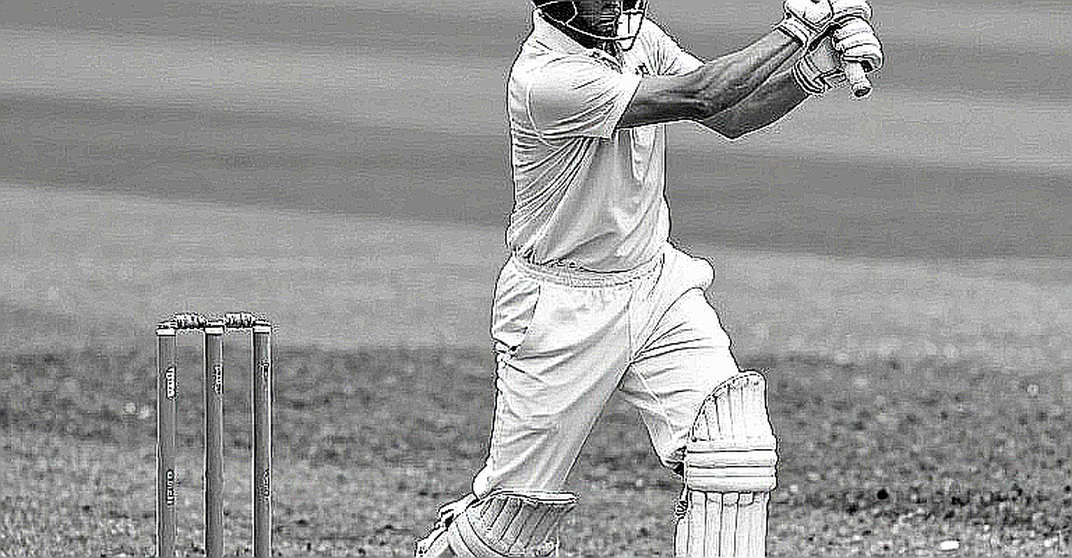
The way this squad was built is equally plain. Three days of trials, one selection meeting, three selectors — Harvinder Singh, Amitabh Vijayvargiya and S. Sarath, one of them attending by telephone. This is standard BCCI procedure. Reading it as a high-performance scouting system would be a mistake.
The venue is doing quiet work in this story too. Bihar's assignment is at Indore, a neutral ground rather than a home one. Indore pitches are conventionally kind to batting, the straight boundaries are short, and November evenings bring dew that loosens a spinner's grip. Which means that in his first leadership assignment, a 15-year-old cannot lean on local conditions or a familiar crowd.
The real question begins here, and it is a question of measurement rather than cricket. The report dresses a domestic T20 captaincy in the numbers of a men's T20 international innings. Those are separate competitions — different bowling quality, different field settings, different pressure. Strike rates do not port across IPL, T20I and SMAT, and a number from one tier does not certify ability at another. The original report never draws that boundary line.
Second comes sample size. The available performance evidence is 19 balls, one phase of one innings. Before drawing a trait conclusion about a batter, analysts typically want north of 200 balls in that phase. A line like "an aggressive approach against established bowlers" is an impression from a single innings, not a measured quality. Nor is it established whether those 19 balls came against a full-strength New Zealand attack or a rotated one in the third T20I; that detail is absent, and it changes what the number is worth.
Third is the inconsistency I opened with. If 45 (19) and 113 (38) are correct, a 133-run stand cannot have taken 43 balls. So the very figure the report elevates as the centrepiece — the powerplay record — does not hold together internally. A coherent number is still only one innings; an incoherent number is not even that. Practically, no trend can be built from that passage: not a run trend, not a strike-rate direction, not a partnership pattern. Series aggregates are missing too — no average, no total, no innings-by-innings breakdown.
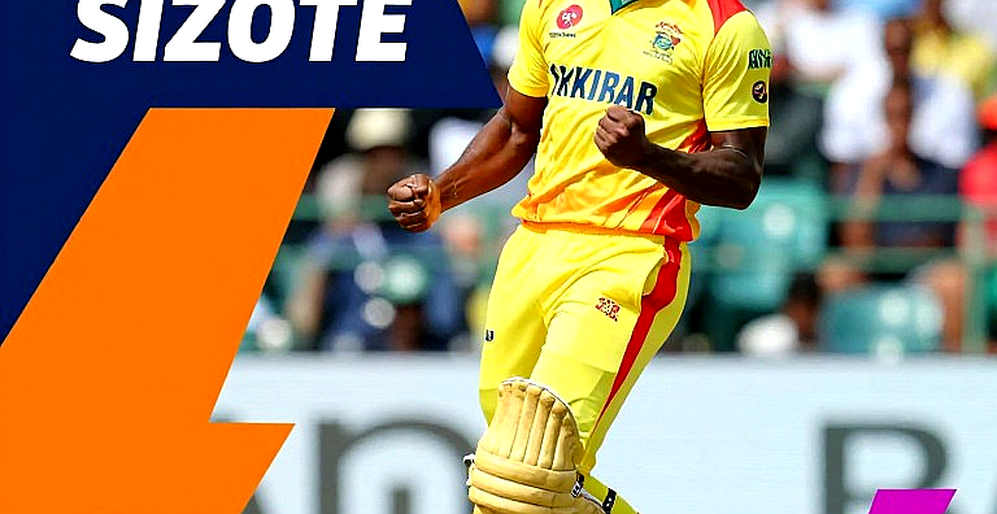
Fourth is the age curve, and here the risk runs in reverse. A batter's peak conventionally sits between 27 and 33. At 15 the player is roughly a decade short of it; power output and decision-making under pressure are both still forming. Captaincy at this age is a development decision, not a performance decision. And captaincy adds a second workload axis: field settings, bowling rotations, the toss, media, on top of his own batting. Nothing in the report suggests a deliberate cap on that load.
Fifth is scale. Captaincy is an achievement in itself, but its weight is set by the strength of the side. Leading a developing association like Bihar is a materially smaller credential than leading Mumbai or Karnataka. The report called it "another milestone" and left the scale out. The presence of a vice-captain points at the same gap — who actually runs the field and the bowling changes on match day is not answered anywhere. Sixteen standbys and two fitness-conditional picks tell you this is a wide net, not a settled unit.
An inverted reading is worth the space. Treating captaincy as a step up is the easy reflex; in age-group cricket I have watched that reflex misfire repeatedly. For a lower-tier association, appointing a national-team player as captain is closer to a visibility and brand decision than a cricket-logic one — it buys the association recognition, weight in local politics, and a way of binding the player to the institution. None of that is wrong. Reading it as a certificate of leadership quality would be.
The second inverted reading is technical. 118 without loss in six overs is a powerplay achievement, where only two fielders are outside the circle and the cover region stays open. It is not evidence of death-overs capability, where the field spreads, yorkers arrive and risk in the slog zones rises. The ability that most needs testing — scoring against a spread field — has not one data point in this story.
The third inverted reading is institutional, and it troubles me most. In January 2026 I set a 3:30 a.m. alarm to watch the Under-19 World Cup in New Zealand, chasing Shubman Gill's 372 runs back through the Punjab academy system that produced him. That habit taught me one thing: talent moves faster than the system around it, and when the system lags, the talent stalls too. Bihar's support staff, its analytics, its physio, the standard of competition it faces — that pressure lands on a 15-year-old captain. His development now depends less on the state system and more on IPL and India structures, and that is the least discussed cost of this appointment. In the 2026 lockdown, when I recorded phone interviews with young players from Gujarat's 2026-17 Ranji squad, the same pattern surfaced: promotion arrives quickly, support arrives slowly.
So what should be watched? When Bihar next take the field in the SMAT, look for three things in the scorecard. First, whether Sooryavanshi is batting between overs 16 and 20. Second, whose hands are actually on the field changes once the toss and the press conference are done. Third, how strong Bihar's group is — a weak group flatters a 15-year-old captain, a strong one tests him. The picture built from 19 balls will be completed later; then we will know whether it holds.