
113 All Out on a Green Top: India A's Batting Reproduces an Old New Zealand Story
कोर उत्तर: भारत ए ने न्यूज़ीलैंड दौरे के पहले अनाधिकारिक टेस्ट में हरी पिच पर 39.3 ओवर में 113 रन पर ऑल आउट होकर चिंताजनक शुरुआत की। यह संकेत है, अंतिम फैसला नहीं। मुख्य तथ्य: - भारत ए 113 रन पर ऑल आउट; पांच बल्लेबाज़ शून्य पर आउट हुए। - यश राठौड़ ने 49 गेंदों में 44* बनाए, जिसमें 3 चौके और 3 छक्के शामिल हैं। - साइमन कीन ने 5/24 लेकर भारत ए की पारी ध्वस्त की। - न्यूज़ीलैंड ए ने 135/3 पर स्टंप्स किया, सलामी जोड़ी ने 132 रन जोड़े। - 1976 के बाद भारत की न्यूज़ीलैंड में सिर्फ एक टेस्ट जीत है। स्रोत: मैच रिपोर्ट, न्यूज़ीलैंड ए बनाम भारत ए — अनाधिकारिक टेस्ट, पहला दिन (तिथि अनुपलब्ध) | Cross-checked: cricsultan.com संबंधित प्रश्न: Q: क्या यह सीनियर भारतीय टीम के लिए बुरा संकेत है? A: ए-टीम की एक पारी संकेत देती है, पर सीनियर टीम का डेटा अलग है; इसे भविष्यवाणी नहीं माना जाना चाहिए। Q: यश राठौड़ का 44* कितना बड़ा है? A: एक आक्रामक पारी फॉर्म का संकेत है, पर एक पारी से स्थायी निष्कर्ष नहीं निकाला जा सकता। Q: न्यूज़ीलैंड की पिचें भारत के लिए क्यों चुनौती हैं? A: ग्रीन टॉप पर नई गेंद की सीम मूवमेंट और पहले सत्र का समय भारतीय बल्लेबाज़ों की कमजोरी है।
First morning in New Zealand, and the fastest sound was the ball — kissing the edge and settling into the keeper's gloves. The smell of grass, the shine of the seam, the hush that reached the Long Room. The scoreboard said: 113 all out, 39.3 overs. Five batters gone for nought. Double figures appeared only four times. Run rate 2.86. I have watched Indian teams struggle on New Zealand's green pitches for two decades. This is not a new story; it is an old one, repeated on day one.
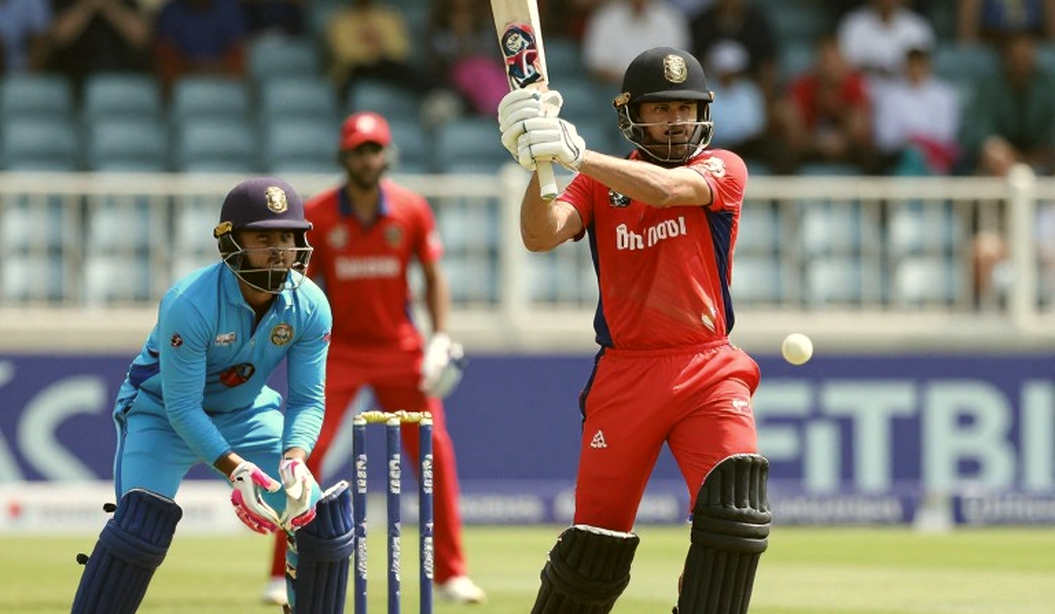
This is not an official Test. It is an unofficial Test between New Zealand A and India A, the opening match of the tour. But the side includes international players like KL Rahul and Yashasvi Jaiswal. Devdutt Padikkal, Dhruv Jurel and Washington Sundar are also there. It is a second-tier contest, but its purpose is to give fringe senior players red-ball preparation. A-teams these days also serve as rest-and-rotation vehicles. So dismissing this innings outright would be as wrong as turning it into a prophecy for the senior team.

The ball was new and seaming on a green pitch. The first 15 overs shook the batting foundations. KL Rahul 0, Sai Sudharsan 0, Washington Sundar 0. Dhruv Jurel made 1 off 13 balls. Yashasvi Jaiswal made 17 off 45, Devdutt Padikkal 32 off 77. Anshul Kamboj 10. Most of the top five edged behind to the keeper or slips. The strike-rate table tells the story: Jurel 7.7, Jaiswal 37.8, Padikkal 41.6. These are numbers of freezing, not playing. When the new ball is moving, not scoring and returning to the pavilion are different things. Here both happened.
Simon Keene of New Zealand A took 5/24. His wickets included both the top order and the tail. It was a condition-dependent bowling performance; on a green pitch, a ball pitched on length was enough. But in reading Keene's figures, one thing must be remembered: his threat was tied to this surface, not just his pace. Such bowlers look different on flat decks. His 5/24 should not be treated as a permanent signal, even though it was decisive in this match.
The most striking performance came from Yash Rathod, unbeaten on 44 off 49 balls, with three fours and three sixes. Strike rate 89.8. While wickets fell all around him, Rathod counter-attacked. The team's run rate was 2.86; his was more than three times that. This was not merely an opportunistic innings; he stood at the crease and disrupted the bowlers' rhythm. One innings does not decide a career, but it is a form signal. 44* is not just runs — it is resistance at the moment the rest of the batting was shrinking. On the scorecard it is one line; in the story it is the brightest chapter.
New Zealand A replied with an opening stand of more than a hundred. At stumps they were 135/3. The first-innings lead is only 22 runs in count, but they have seven wickets in hand. That gap is misleading. The real picture is that India A's 113 is materially under-par for a red-ball first innings. Being all out in 39.3 overs means the stakes ended within one session. There was no defensive edge, no third-ball patience.
What is being overlooked is this: the pitch was not unplayable. New Zealand A's openers put on 132 to show that once set, runs could be made. The pitch offered help in the first session, then gradually settled. India A's defeat was decided in the new-ball battle. It was not a failure of the whole bowling unit; it was a failure of batting cohesion. India A's fast bowlers took 3 wickets in 7 balls late in the day. This small sign shows the ability to exploit conditions exists. The batting did not show that ability.
In such matches we often jump to conclusions. But one innings is a small sample. 44* should not be read as a class signal; five ducks should not be read as a permanent trend. One A-team match does not determine the senior team's capability. The toss information is unavailable, so it is not clear who chose to bat. Had New Zealand A chosen to bowl first, the 'ominous' framing would say more about conditions than about India A's fault. That question remains open.
It is easy to make this match a sign for the senior team, but A-team and senior XI data are separate. India's record in New Zealand is poor: 5 wins in 25 Tests, 10 losses, 10 draws. No Test win there since 2026. Only one Test win since 2026. On the 2026 tour, no innings reached 250 in four innings. 113 fits those numbers. This is a base rate, not a one-off. Yet this is one innings of an A-team. The result is a warning, not a verdict. Those using the word 'ominous' should remember the senior team's innings is still to come.
Before the next Test the question is whether senior openers will change their method against the new ball. Rathod showed attack can be one path. Padikkal showed patience can be another. But the biggest question is whether Indian batting can prepare for New Zealand's first session as a different game. The scorecard says 113; the story keeps running. Some columns are unwanted because they are early; this match report is one of them. The next day will tell whether this 113 is another proof of history or the beginning of changing it.